
Windshield Cracks Versus Chips: What to Fix

A rock hits your windshield on I-25, and the mark looks small enough to ignore. Then a cold Northern Colorado morning, a hot defroster, or one rough stretch of road turns it into something bigger. With windshield cracks versus chips, the difference affects whether a quick repair can save the glass or whether replacement is the safer call.
Windshield Cracks Versus Chips: The Basic Difference
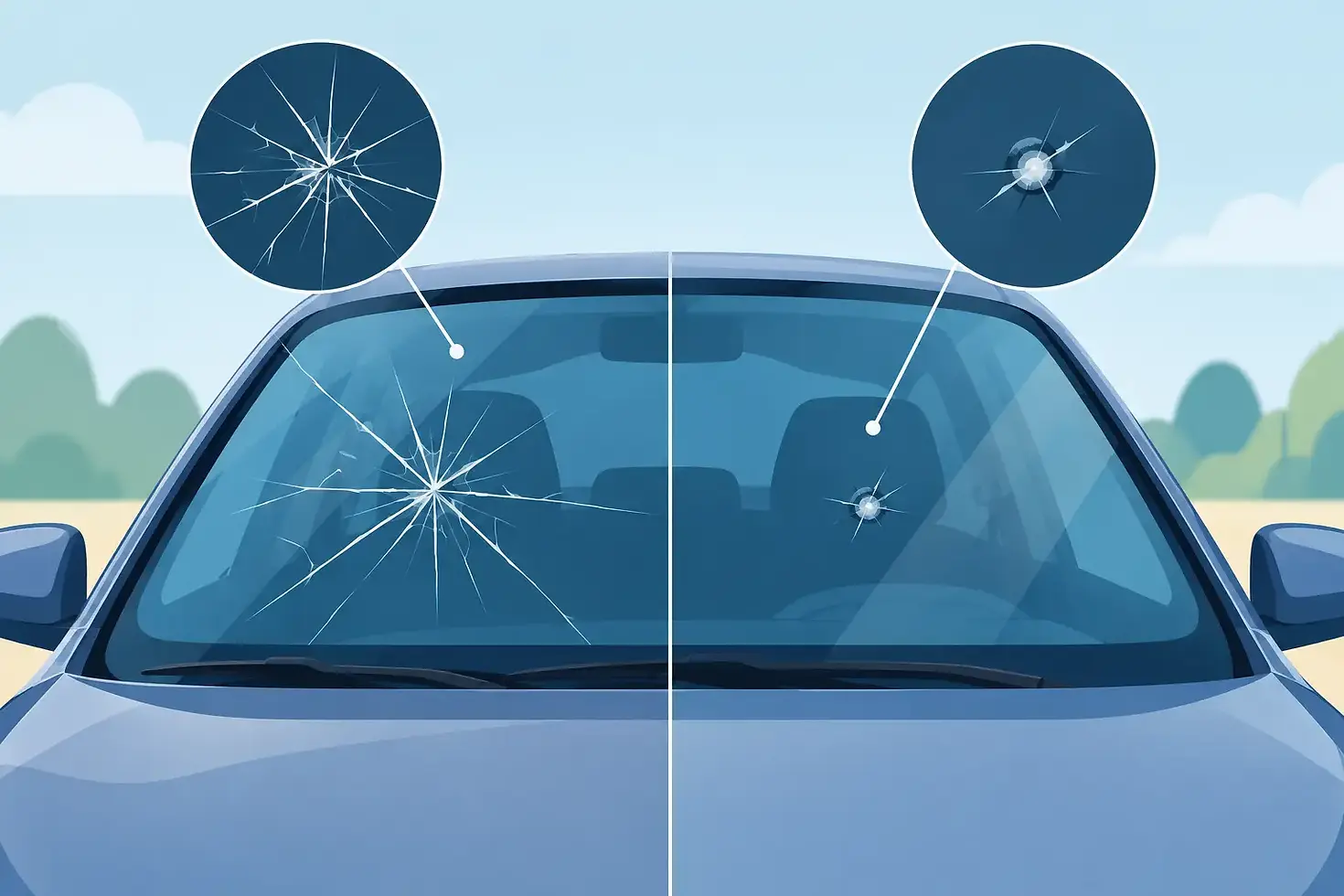
A chip is a small impact break caused by road debris, gravel, or a flying object. It often has a visible center point where the object struck. Chips can look like a bull's-eye, a star, a half-moon, or a small combination of those patterns. The outer glass is damaged, but the break may remain contained.
A crack is a line that spreads through the windshield glass from an impact point or from the edge of the windshield. It may be straight, curved, branching, or hard to see until sunlight catches it. Cracks are more likely to grow because the glass has already lost stability along that line.
Both problems deserve attention quickly. A windshield is not just there to block wind and bugs. It supports the roof in a rollover and helps the passenger-side airbag deploy correctly. Damage that weakens the glass or interferes with your view is a safety issue, not just a cosmetic one.
When a Windshield Chip Can Usually Be Repaired
Many stone chips can be repaired if they are addressed before dirt, water, and temperature changes make the break worse. During repair, a technician injects a clear resin into the damaged area, then cures and polishes it. The goal is to restore strength and stop the damage from spreading. The mark may still be faintly visible, but it should be far less noticeable.
Size, placement, and depth matter more than the name of the chip. A small chip that is away from the driver's direct line of sight and does not extend into the windshield edge is often a good repair candidate. A chip can also be repairable when it has short legs or minor surface damage around the impact point.
The sooner you schedule service, the better the odds. Dust and moisture can enter an open break, making a clean repair more difficult. Waiting also gives Colorado's quick temperature swings more time to work against the glass.
When a Crack Means Windshield Replacement
Some cracks can be repaired when they are short and stable, but replacement becomes the better option when the damage compromises the windshield's strength, visibility, or ability to stay intact. This is especially true when a crack has reached the edge of the glass. The windshield frame puts pressure on that area, so edge cracks tend to spread quickly.
Replacement is commonly recommended when the crack is long, branching, deep, or located directly in the driver's primary viewing area. Even if resin could fill it, a visible repair line may still distort your view. A repair should never trade a smaller blemish for unsafe visibility.
Modern vehicles can add another consideration. Many windshields hold cameras or sensors for driver-assistance features such as lane departure alerts, automatic braking, or adaptive cruise control. If the windshield needs replacement, those systems may need proper calibration afterward. That work is part of getting the vehicle safely back on the road, not an optional extra.
Four Signs You Should Not Wait
If you notice any of these conditions, arrange an inspection as soon as possible:
The crack is growing, branching, or reaches the windshield edge.
Damage sits in front of the driver or creates glare at night.
The glass has multiple impact points or a chip with deep, broken-out material.
The windshield is damaged after a collision, even if the break looks minor.
A professional inspection gives you a clear answer. Honest service means recommending a repair when it can do the job and a replacement when the glass cannot be safely restored.
Why Windshield Damage Spreads So Fast in Northern Colorado
Loveland and Fort Collins drivers deal with conditions that are tough on damaged glass. Cold nights followed by bright sun can make the glass expand and contract. Blasting the heater or defroster against a frozen windshield can create a sharp temperature change right where the damage is weakest.
Road conditions also play a role. Gravel, sand, construction debris, highway traffic, and winter road treatment increase the chance of an initial chip. After that, vibration from daily commuting, potholes, and closing a vehicle door can push a small break into a longer crack.
This does not mean you need to panic over every tiny mark. It does mean a wait-and-see approach carries real risk. A chip repair is usually faster and less costly than replacing a windshield after the damage spreads.
What to Do After You Get a Chip or Crack
Start by taking a quick look at where the damage sits and whether it is changing. If the chip is fresh, avoid touching the break or trying to clean inside it. Dirt, glass cleaner, and moisture can affect the repair result.
Keep the area as dry and clean as possible. A small piece of clear tape placed gently over a dry chip can help keep out road grime until your appointment. Do not use duct tape, glue, nail polish, or a do-it-yourself kit unless you understand that it can make professional repair harder. Household adhesives can trap contaminants and leave a poor finish.
Avoid sudden temperature changes. Do not pour hot water on a frosty windshield, and do not aim maximum defrost heat directly at the damaged spot right away. Park in a garage or shaded area when practical, and drive carefully over rough roads until the glass is checked.
Repair or Replacement: Cost, Time, and Safety
The right choice depends on the actual condition of your windshield. Repair is generally the less expensive, faster option when the damage qualifies. It preserves the factory-installed windshield and can often be completed without disrupting your day.
Replacement costs more because it involves new glass, installation materials, labor, and possible safety-system calibration. Still, replacement is the right value when a repair would leave the windshield weak, visibly distorted, or likely to fail later. Cheap work is not a bargain if it creates leaks, wind noise, poor visibility, or problems with vehicle safety features.
Insurance may cover chip repair with little or no out-of-pocket cost depending on your policy. Coverage for replacement varies. Before making assumptions, check your policy and ask for straightforward pricing. You should know what service is recommended, why it is recommended, and what the work involves.
Get a Clear Answer Before Damage Gets Worse
You do not have to guess whether that small impact mark is serious. Integrated Auto Repair & Glass provides honest inspections, clean workmanship, and mobile auto glass service for drivers across Loveland, Fort Collins, and nearby Northern Colorado communities.
A small chip may still be an easy fix today. A spreading crack may need replacement before it affects your visibility or safety. Schedule your fix today, get a professional answer, and keep the problem from choosing the timing for you.
Comments